History of Our Church
Universalism, with its doctrine of universal salvation, began in Yarmouth in schoolhouse meetings in 1832, the town later refusing use of the Town Hall on doctrinal grounds. In 1834, a parish was organized and a chapel, at what is now 25 West Elm Street, was dedicated. The First settled minister took office in 1835; the last was ordained here in 1877.
In 1859, due to political differences, some forty-five members of the First Parish withdrew to organize another “orthodox” Congregational church, which was named the Central Parish. The founding members erected and dedicated the present building in 1860. This church flourished, but members moved away due to the decline of shipbuilding; others died, and numbers were reduced. At length, the liberal preaching of one minister repelled some members, attracted others and in 1885, many members returned to the First Parish.
In 1886, the remaining members of the Central Parish, together with members of the Universalist church, established a Unitarian church, kept the name Central Parish, and retained ownership of the building.
The Universalist Church continued a formal but shadowy existence, and in 1920 became the beneficiary of a substantial bequest. Since there were no doctrinal impediments, the members of the Central Parish thereupon became the members of the Universalist Church. The First Universalist Church became the active body, while the Central Parish, as such, had a merely formal existence.
In 1962, following the consolidation of the Unitarian and Universalist denominations, the local Unitarian and Universalist organizations were consolidated under the name First Universalist Church.
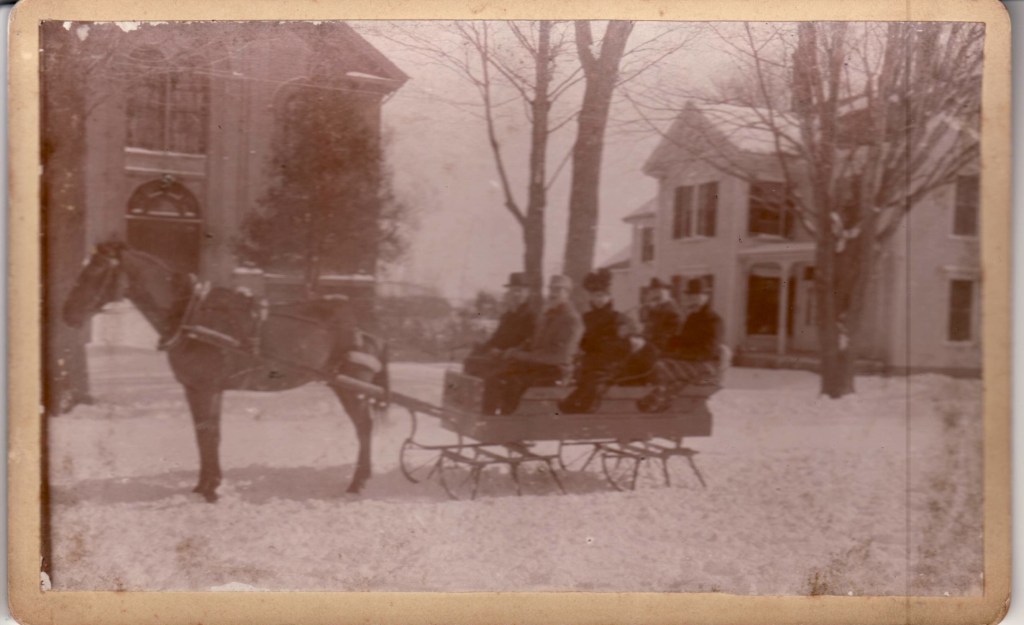
Church and Parsonage (c. 1900s) 
New Wing – Church Offices (c. 2012) 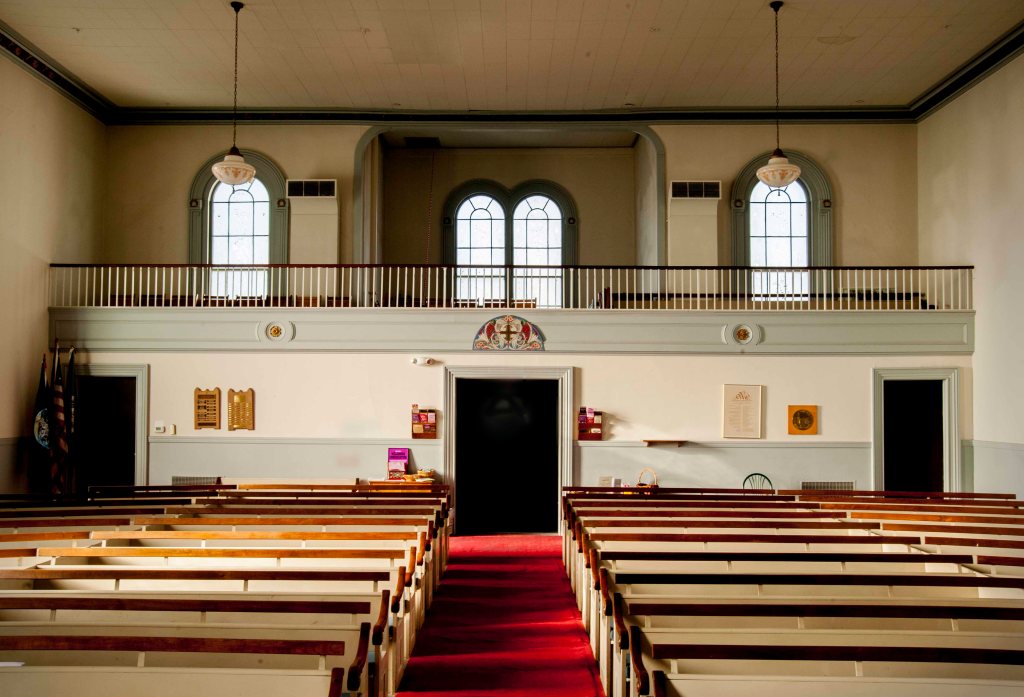
Sanctuary (c. 2012) 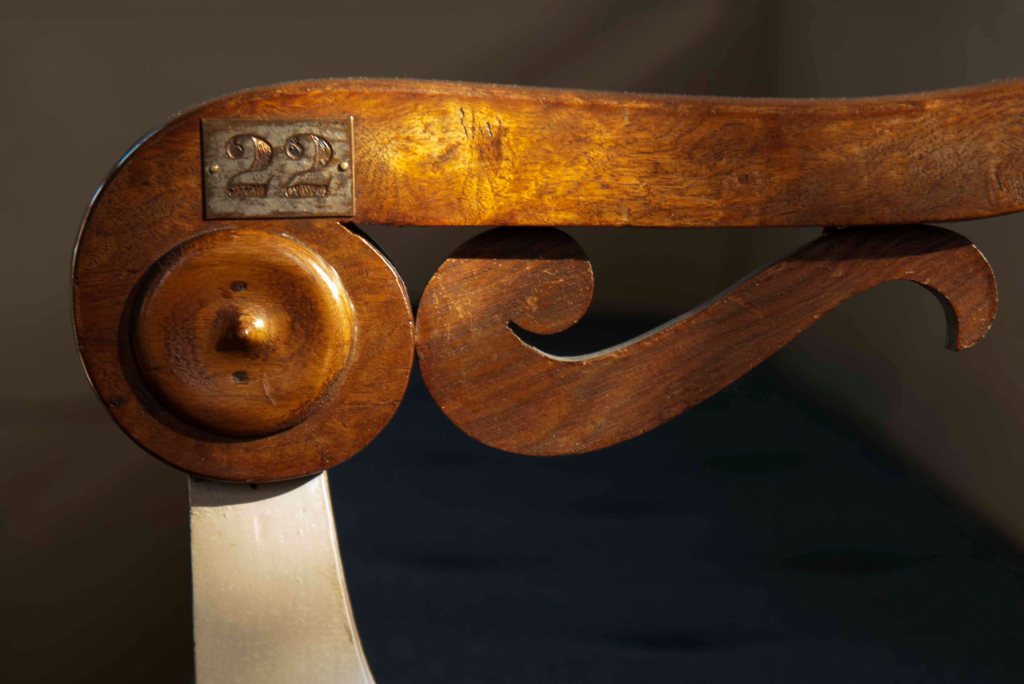
Pew Detail 
Chancel (c. 1860) 
Construction (Summer 2016) 
Choir (c. 1915) 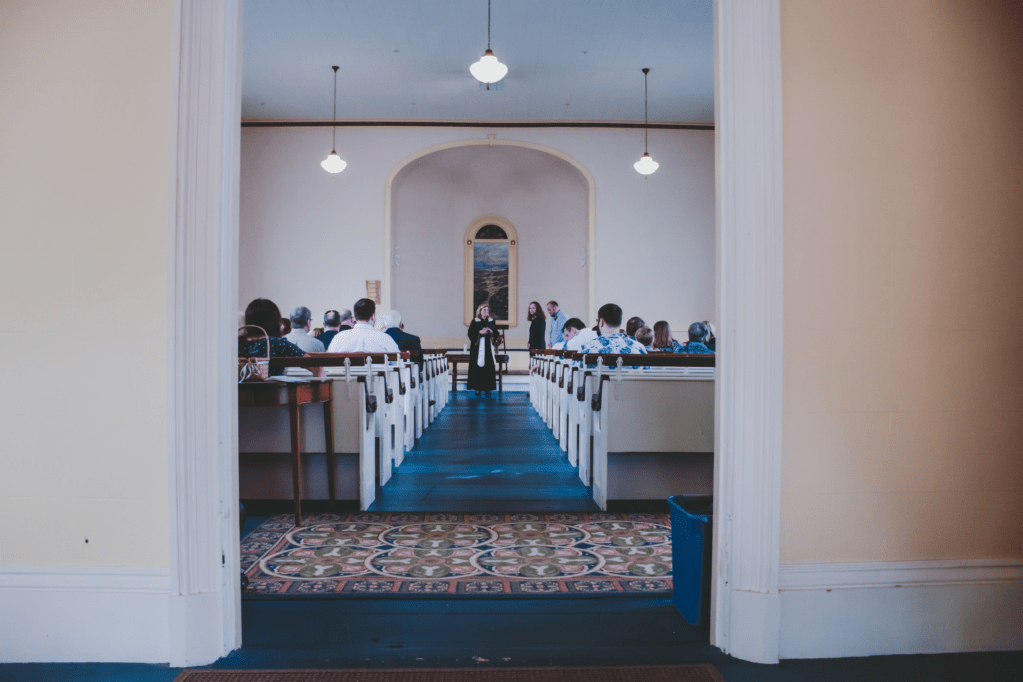
Wedding (2017) 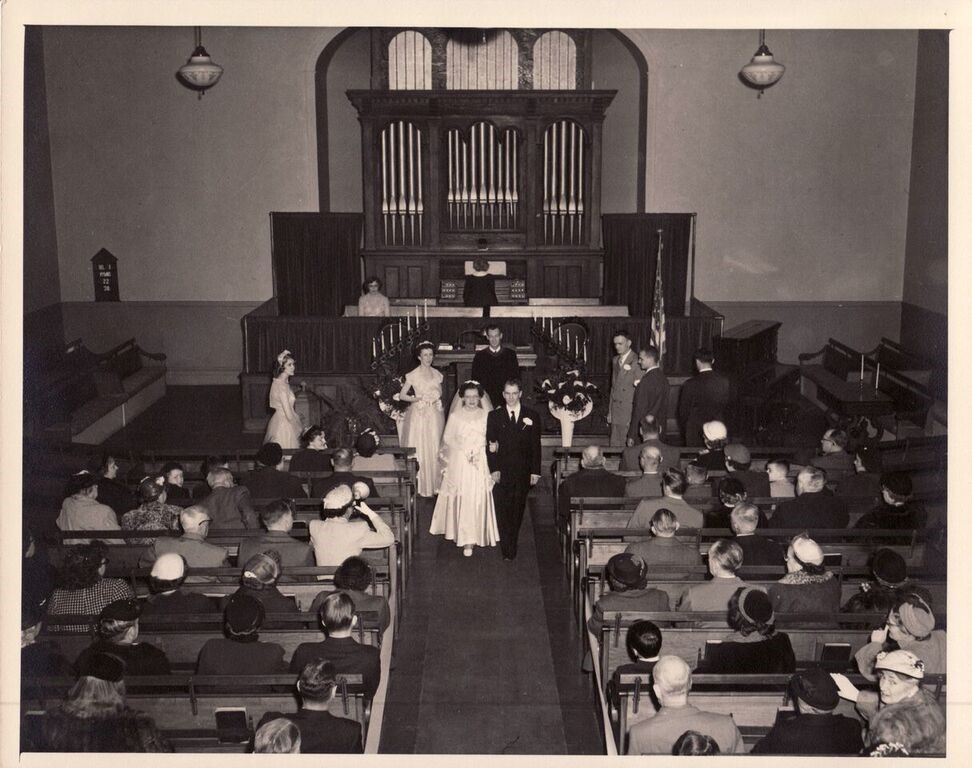
Wedding (1953)

A Video History of First Universalist
The following is a video history of First Universalist—with music, photos, and interviews with many members (The password is: YarmouthUU). This film is 1 hour 21 minutes long and is based on the 2014 book The Church at the End of Portland Street, edited by Mariana Tupper. The book is available for purchase at the church office or at lulu.com.
The Church at the End of Portland Street (the password is: YarmouthUU).
A Recent Financial Timeline of First Universalist
Pre-2005 – Minimal use of computers for accounting purposes.
2005 – It became apparent that finances were very cloudy. Only one bank account existed so all funds (with the exception of Steeple funds held in a separate account from 2006 – 2008) were comingled. Financial reports came from multiple spreadsheet sources and did not correlate reliably.
2006 – 2008 – Steeple Restoration project was a huge success, and a demonstration of a great way to present options, then to run a capital campaign with strong congregation support with a strong team leading the charge. Raised $367,000, including some funds from beyond our church community.
2009 – Converted to an office system that could handle both donations and financial reporting without requiring duplicate entries. With better reporting in place, leaders became aware that for several years modest losses had been accruing, with no years of positive revenue. This was shared with the congregation, and eventually, there was a pretty good understanding of the financial situation, and recognition that it would take several years to be whole.
2010 – Stewardship Committee was established. Financial procedures were audited (internally) and began to be upgraded to assure security and better tracking of funds. Annual internal auditing of financial transactions was implemented. Separate bank accounts were established to assure paychecks were covered on payday and to begin to sequester designated funds (most of which had been inadvertently ‘borrowed’ to pay operating shortfalls over the years). Budget preparation policy and procedures were improved.
2012 – Began planning what became the Here for Good capital campaign, which included $30,000 towards restoring the designated accounts with available cash in the separate account.
2014 – 2016 – Here for Good campaign ($210,000 raised). The first campaign contributions funded the $30,000 to restore the designated accounts. Banking was moved to Bangor Savings Bank, including access to overdraft protection and line of credit (not offered by the previous bank). The campaign funded renovations to the sanctuary, some exterior repair/painting, and several other interior upgrades. Along the way urgent need was discovered to repair major water damage under the Gathering Room floor and replace the driveway to drain away from the building, so additional $185,000 was raised including $75,000 bank loan.
2016 – Office systems were converted to a church management system for donations, and to QuickBooks for financial management. QuickBooks is a widely known system, but required user-adaptation to work adequately for churches. This major conversion was guided by the publication ‘QuickBooks for Churches.’
 the first universalist church of yarmouth